
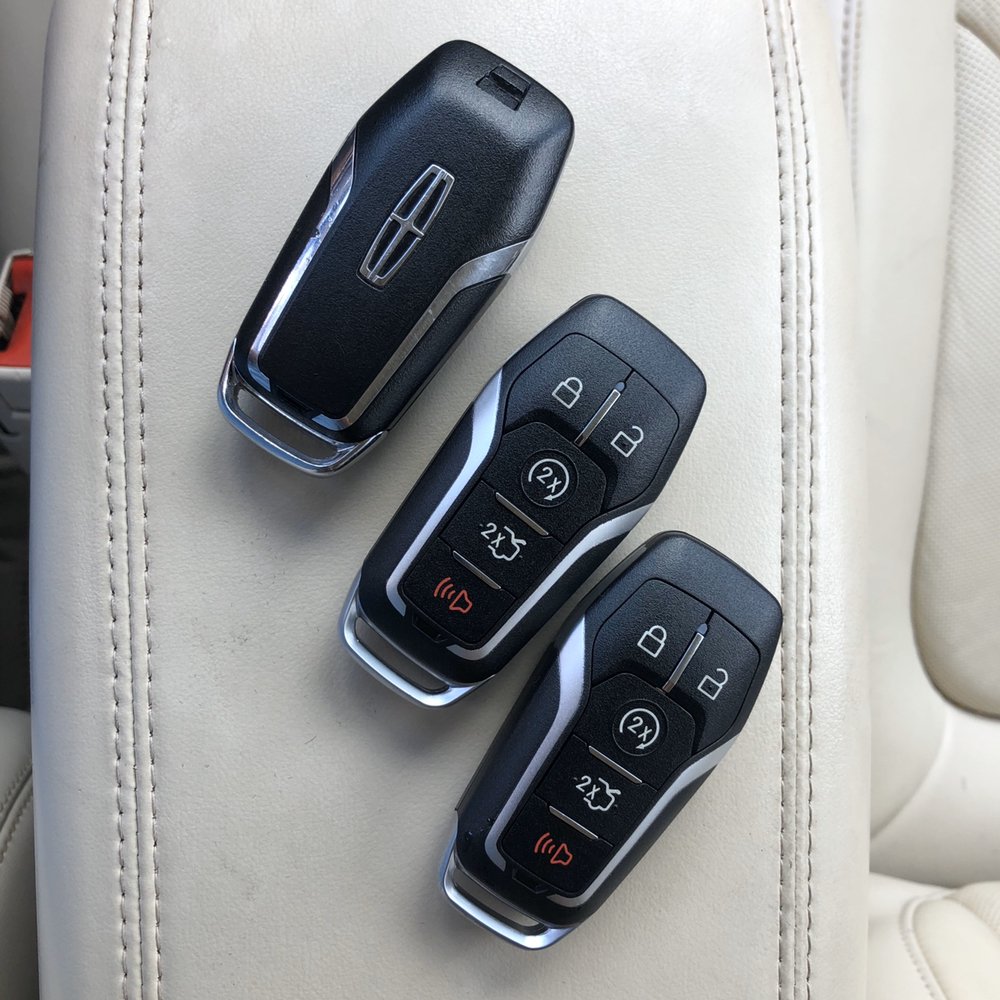
Car key problems rarely begin at the worst moment. The fob had been flaky for weeks. The blade looked bent. The spare was somewhere in a kitchen drawer that nobody wanted to dig through. Then one afternoon the only working key is locked inside a hot car at a grocery store in Fort Myers.
A Good Locksmith helps drivers across Southwest Florida with lockouts, replacement keys, and programming, but prevention is cheaper than a panic call. Use this guide to keep your keys healthy, then bookmark Locked Out of Your Car? Here's What To Do for the day something still goes wrong.
Automotive keys are small, easy to abuse, and expensive to replace when neglected. A little quarterly attention prevents most roadside emergencies we see around Southwest Florida. The habits below cost almost nothing compared with a missed appointment or a towing cascade.
Treat the Spare Key Like Critical Equipment
If you have only one working key, you are one drop, one drain, or one lockout away from a stranded day. A spare is not a luxury for modern vehicles, especially when dealership wait times or programming needs can complicate replacements.
Store the spare at home or with a trusted person, not inside the vehicle. Test it every few months so you discover a dead spare in your driveway instead of in a parking lot after dark.
If you never received a spare when you bought the car, schedule car key replacement before the current key fails. Our automotive locksmith team can advise on many common makes and models.
Label the spare in a way that identifies the vehicle without advertising your home address on the key itself. Store it where another licensed driver in the household can find it quickly.
Watch for Early Warning Signs
Key blades that stick, fobs that need multiple clicks, and ignition cylinders that catch are all early warnings. Ignoring them often leads to a broken key tip or a fob that dies completely at the worst time.
- Remote needs to be unusually close to the door before it responds
- Key blade looks worn, bent, or cracked at the shoulder
- Push-button start works only when the fob is held in a certain spot
- Dashboard shows repeated key or immobilizer warnings
Address those signs early. A planned appointment is almost always smoother than an emergency roadside visit in summer heat.
If valet or service departments retain your key for long periods, inspect it afterward for new blade wear or a fob that suddenly behaves differently. Catching damage early is easier than discovering it in a dark parking garage.
Maintain Fob Batteries and Physical Care
Replace fob batteries on a schedule instead of waiting for total failure. Keep fobs out of laundry pockets, pool decks, and beach bags where water and sand create expensive damage.
Avoid using the key blade as a pry tool for packaging or a fidget item in your pocket. The blade is precision-cut for a lock cylinder, not for opening Amazon boxes.
If your fob has a hidden emergency key, make sure you know how to remove it. That small detail solves many low-battery lockouts without tools.
Keep a CR2032 or whatever battery your fob uses in the glove box of a second household car or in a home utility drawer. Having the battery is useful; knowing how to open the fob safely is just as important.
Build Habits That Prevent Lockouts
Lockouts often come from routines under stress: kids, groceries, phone calls, and rushing between errands. Create one consistent habit, such as keeping the fob in a zippered pocket or on a dedicated clip, so it is harder to set on the seat and shut the door.
Teach every regular driver in the household the same habit. Mixed routines are how spare keys get separated and primary keys get locked inside.
If a lockout still happens, skip risky DIY methods and call for professional help. Drivers in Cape Coral, Lehigh Acres, and Naples can reach A Good Locksmith for vehicle lockout service.
Parents of new drivers should add key care to the first-week checklist along with fuel and tire basics. Most lockout habits form early and then repeat for years.
Plan for Programming and Vehicle-Specific Needs
Not every key is a simple cut piece of metal. Many vehicles require programming so the immobilizer recognizes the new key or fob. That is why waiting until zero working keys remain can make the job harder and sometimes more expensive.
When you buy a used car, ask how many keys are included and test all of them that day. If the seller hands over one tired fob, budget for a spare immediately.
Keep your vehicle year, make, model, and VIN handy when you call a locksmith. Accurate details help confirm whether on-site automotive service can complete the job.
Ask your locksmith whether your vehicle supports on-site programming and what information is required. Being prepared shortens the appointment if a key fails suddenly before vacation.
A Simple Quarterly Car Key Check
Once a quarter, spend five minutes on key health: test the spare, check fob range, inspect the blade, and confirm nobody in the household is down to a single point of failure. Put the reminder next to tire-pressure or wiper checks so it becomes ordinary maintenance.
If something looks off, schedule service while you still have options. Prevention is the quiet version of automotive security, and it pairs well with the home habits in our resource center.
Southwest Florida drivers have trusted A Good Locksmith since 1994 for practical automotive help without the runaround. Stay ahead of key trouble, and the roadside stays a place you drive through rather than wait in.
Combine vehicle key readiness with household travel prep when you leave town. A dead house-sitter plan and a single failing car key can collide into one expensive morning. Drivers in Fort Myers and Cape Coral can call A Good Locksmith before trip week to sort spares calmly.
Finally, keep emergency contacts saved under clear names, including a trusted local automotive locksmith. When you are stressed on the roadside, you should not be comparing unfamiliar ads. A known number, your vehicle details, and a tested spare key prevent most lockout days from becoming all-afternoon disruptions.
If your household shares vehicles, put key care on the same calendar reminder as registration or oil changes. Shared cars fail more often from assumed responsibility than from exotic electronic defects.