Rental turnover moves fast. Cleaning crews, inspections, listing photos, and new lease packets can push lock work to the bottom of the list. That is how old tenant keys remain active and how weak hardware stays on a door for one more lease cycle.
A Good Locksmith has supported landlords, HOAs, and property managers across Southwest Florida since 1994. Use this checklist to standardize locksmith tasks at every turnover, then call our commercial locksmith or rekeying team when you want the work handled in one visit.
Strong rental security is mostly process. The best landlords are not improvising lock decisions at every turnover. They run the same inspection, the same rekey rule, and the same documentation standard until it becomes routine for every unit in the portfolio.
Make Rekeying a Default Turnover Step
Unless you have an unbroken, fully documented key process and no doubt about copies, rekey between tenants. It protects the incoming resident and reduces disputes about who can still enter the unit.
Rekey all exterior doors the tenant could access, including garage entries and storage rooms tied to the lease. If the property uses a small master system, coordinate unit changes without accidentally disrupting other doors. Our overview of commercial master key systems explains how those hierarchies work.
Landlords in Cape Coral, Lehigh Acres, and North Fort Myers often schedule rekey on cleaning day so keys are ready before move-in.
If a tenant was evicted or left under conflict, prioritize rekeying immediately rather than waiting for full turnover cleaning. Unauthorized return is a real risk in contested move-outs.
Inspect Hardware, Not Just Keys
A freshly cut key in a failing lock is not a successful turnover. Test every exterior lock for smooth operation, confirm deadbolts fully extend, and look for cracked plates, loose handles, and coastal corrosion.
- Front and rear deadbolts operate without forcing the door
- Strike plates are secure and screws are not stripped
- Sliding doors latch reliably
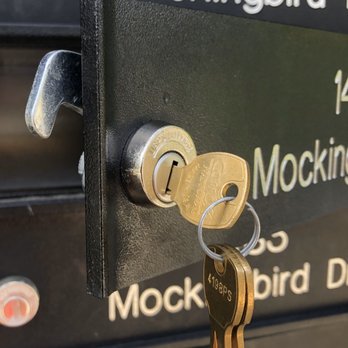
- Mailbox, laundry, or storage locks are accounted for
If hardware fails the inspection, replace it before the new lease starts. The warning signs in 5 Signs It's Time To Replace Your Locks apply directly to rentals.
Photograph lock condition during inspection just as you photograph walls and appliances. Hardware wear is part of the unit record and helps justify replacement timing across your portfolio.
Standardize Deadbolts and Keying Across Units
Portfolios become easier to manage when locks are standardized. Choosing consistent residential-grade deadbolts reduces surprise fitment issues and makes future rekeys faster.
Decide whether units should be keyed individually with a property master, or kept fully separate. There is no single correct answer, but there must be a documented answer. For hardware selection help, use Choosing the Right Deadbolt for Your Home as a practical baseline for residential rentals.
Smart locks can help with temporary vendor codes, yet they also require battery maintenance and clear tenant instructions. Compare tradeoffs in Smart Locks vs Traditional Locks before deploying them across a portfolio.
Standardization also helps after-hours technicians. When most units share familiar lock types, emergency openings and rekeys take less time and produce fewer mismatched parts surprises.
Document Every Key and Code You Issue
At move-in, record how many keys were issued, which doors they operate, and whether any codes were created. At move-out, collect those keys and invalidate codes before the next resident arrives.
If keys are missing at move-out, rekey. Do not rely on a deposit argument alone as your security plan. The cost of rekeying is usually modest compared with the risk of unverified access.
Keep lock brand and keyway notes in the unit file. Future you, or your property manager, will thank you during an emergency lockout call.
Store spare keys in a controlled office system, not in unlabeled kitchen drawers at someone's house. Access to spare keys should be as deliberate as access to the units themselves.
Plan for Lockouts, Maintenance Access, and Emergencies
Tenants lock themselves out. Maintenance needs entry. Storms create damaged-door emergencies. Write down who tenants should call and what authorization your locksmith needs from management.
A clear process prevents unauthorized entry and avoids awkward after-hours guesses. For urgent situations, A Good Locksmith provides emergency locksmith service throughout the area, including Fort Myers, Estero, and Bonita Springs.
After any forced entry or suspected unauthorized access, follow a hardening plan similar to What to Do After a Break-In before the unit returns to market.
Include mailbox keys, laundry room keys, and amenity keys in the same checklist. Partial resets create confusion and make tenants less likely to report what is missing.
Turn This Checklist Into a Repeatable SOP
The landlords who have the fewest lock headaches are not luckier. They are more consistent. Add this sequence to your turnover SOP: inspect, rekey or replace, document issued keys, test every exterior door, and store spare keys securely off-site.
Review the SOP annually, especially if you added smart locks, changed property managers, or expanded into new communities such as Naples or San Carlos Park.
When you want the locksmith portion handled by a local team that understands rentals, call A Good Locksmith. Since 1994, we have helped Southwest Florida property owners keep turnover secure, documented, and ready for the next resident.
Review your locksmith SOP after any incident involving unauthorized entry, lost master keys, or repeated lockout calls at the same address. Patterns are data. A Good Locksmith can help property managers in Naples, Bonita Springs, and nearby communities convert those patterns into better hardware and better procedure.
Before marketing a vacant unit, verify that lockboxes or electronic lockbox codes used during showings are changed after the lease is signed. Showing access is temporary by design. Leaving old lockbox codes active is a quiet version of failing to rekey.
For furnished or seasonal rentals, create a separate mini-checklist covering storage closets, owner closets, and any dual-lock rooms that guests should not access. Seasonal properties in Southwest Florida often fail on these secondary doors, not on the front entry. A complete checklist protects owner belongings and guest trust at the same time.
When in doubt, budget rekey and hardware inspection as a standard turnover line item rather than an exception. Landlords who normalize that cost have fewer emergency calls, happier residents, and cleaner documentation if anything ever goes wrong.